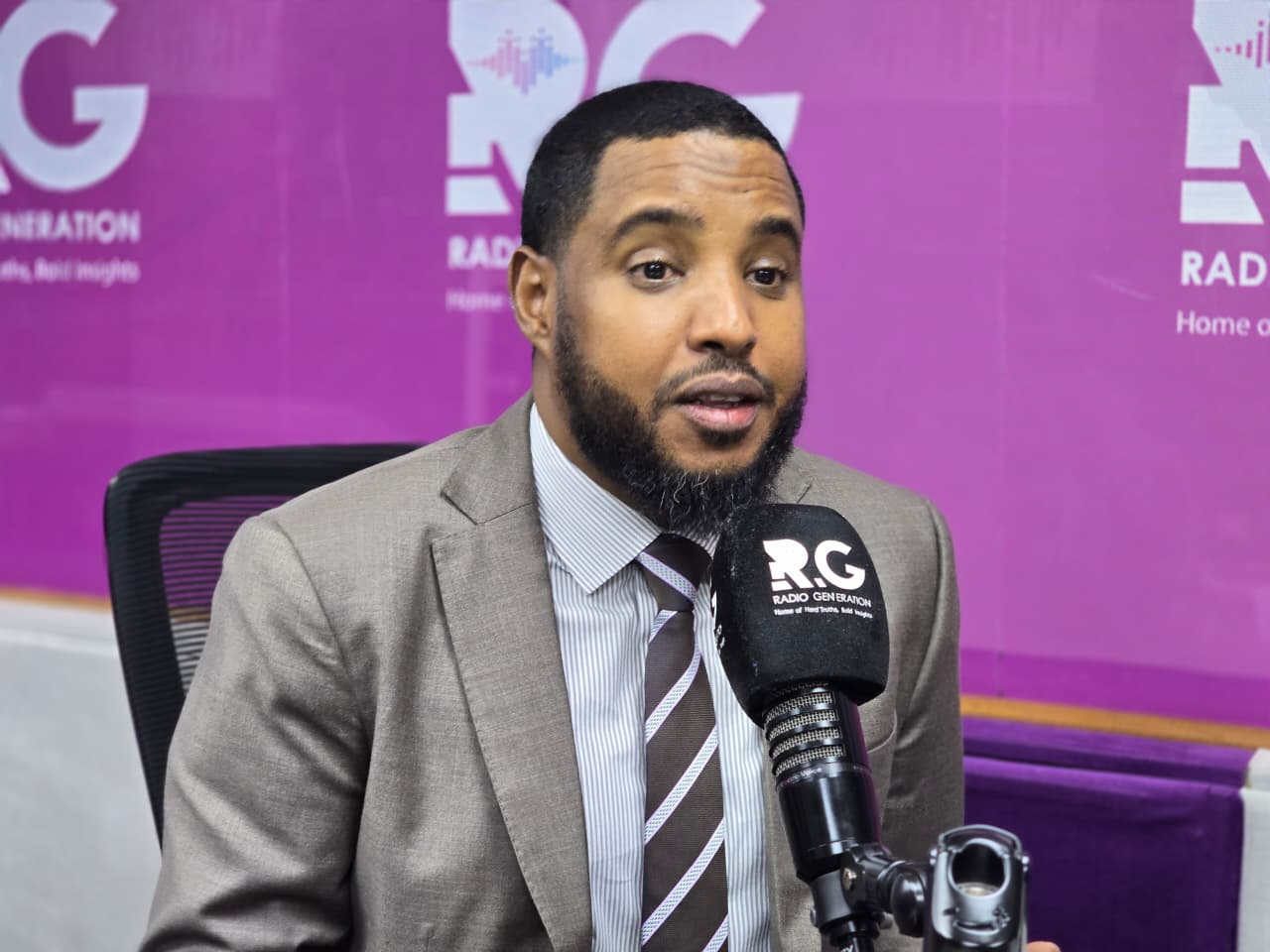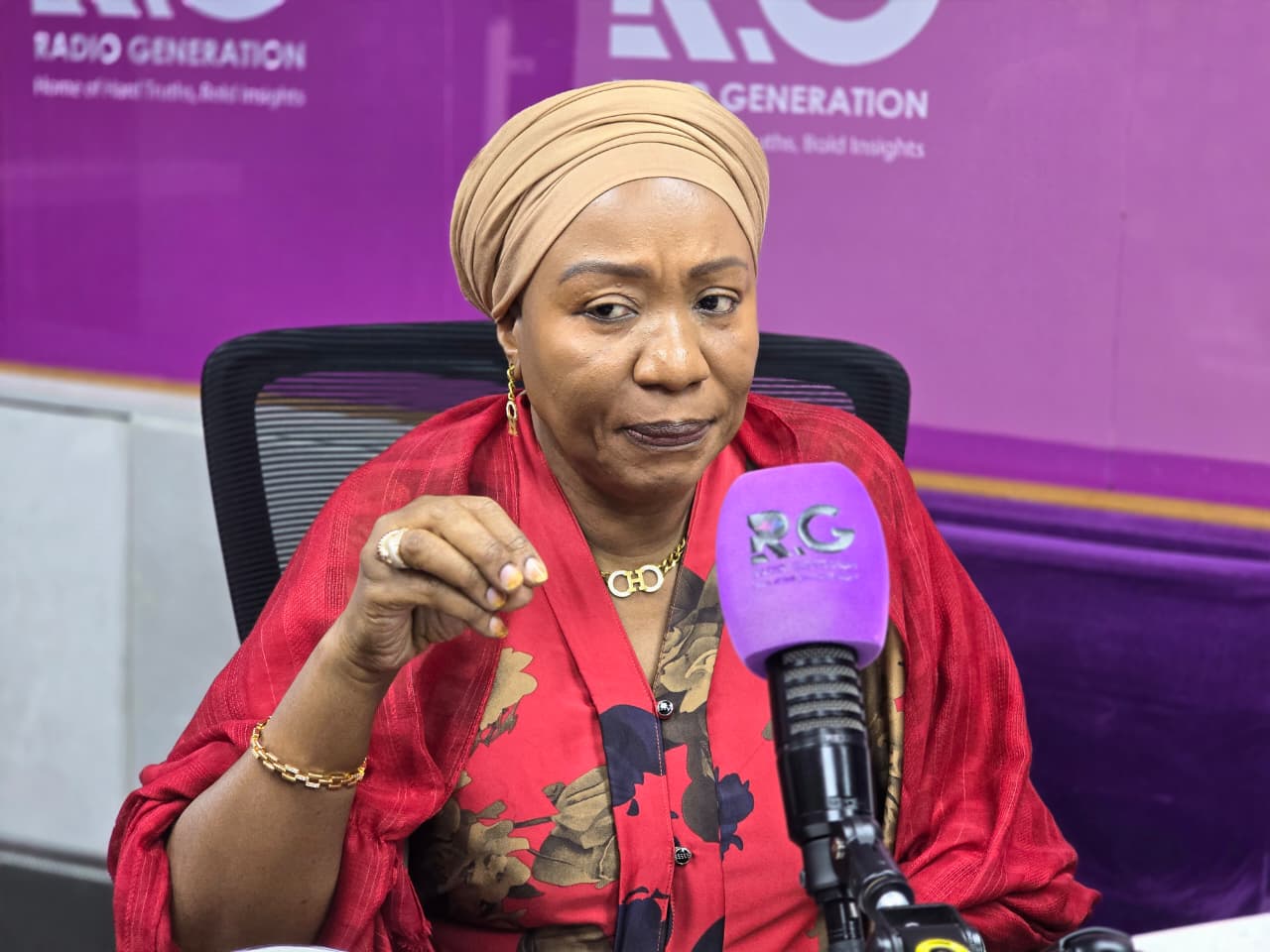
Senator Hamida Kibwana says her path into politics was shaped by years of work in election management, long service with the UN, and encouragement from the late Raila Odinga, a journey she describes as unexpected but built on experience gained across several countries.
Speaking during an interview on Radio Generation on Wednesday, she explained how her career slowly shifted from election advisory roles into active politics.
Hamida’s professional journey began in 1997 when she joined the Electoral Commission of Kenya (ECK) as a Returning Officer and Coordinator, a role she held until 2005.
She was responsible for overseeing electoral processes and ensuring the integrity of elections.
Hamida traced her early steps to the late Samuel Kivuitu, who led the now-defunct ECK, saying he played a key role in her growth in election operations.
She recalled her work at the commission, which included reforms she remains proud of.
“I am the one who introduced the counting of the ballot papers in the polling station,” she said, adding that she pushed for each stream to become a polling station with its own presiding officer.
Senator Hamida also served as the youngest returning officer at the time, handling the then-undivided Embakasi constituency, which she later recommended for delimitation.
From 2006 to 2015, Hamida served as an Election Advisor Specialist with the United Nations Development Programme (UNDP), providing technical guidance on election management and supporting democratic processes in Kenya and other countries.
She worked in Sierra Leone, Afghanistan, Botswana, Tanzania, and Zanzibar before taking a break in 2017 that brought her back home.
During that period, she reconnected with the late Jakoyo Midiwo, who urged her to use her election background locally.
Hamida recounted how Kivuitu repeatedly asked the UN to release her whenever Kenya was heading into an election.
She returned during the 2007 polls, saying she came back only after setting conditions on improving the election system.
“He embraced all the ideas,” Hamida said, adding that she carried out many reforms she still takes pride in.
Her journey later crossed paths with Raila Odinga, who consistently sought her guidance even when she was outside the country.
She described him as the main force behind her entry into frontline politics.
“It’s the late Baba. Raila Amolo Odinga,” she said.
According to Hamida, Raila persuaded her to manage election operations in 2017, where she handled countrywide activities, including the collection of nomination signatures.
Hamida also advised Raila’s team when the 2017 presidential results were nullified.
“When everyone had lost hope, I told them, ‘No, we have won the elections,’” she said, explaining that she worked with the team from her house to organise forms 34A and 34B.
Hamida’s full transition into politics came later, after Raila told her he wanted her to join active leadership.
The late ODM Party leader insisted again in 2022, leading to her nomination to the Senate.
She added that her mother, the late Hadija Salim, had predicted this path years earlier.
Salim, who served as a councillor in Kamukunji from 1969 to 2002, was the first Muslim woman politician in Kenya.
Hamida said she once rejected the idea, telling her mother she disliked politics.
Even after joining political life, Hamida admitted the shift was not easy. Coming from the UN, she said she experienced a sudden change in environment.
“I keep on saying that I have a culture shock,” she said. She described politics as a space where people do whatever it takes to rise, saying, “Kanyanga shingo,” to show how some push others aside.
She said women face tougher battles, with some men trying to block their progress, and noted that some still question how a woman can rise or perform better than a man. According to her, this mindset pushes many women to become more assertive.
Currently, as a nominated senator, Hamida participates in key parliamentary committees, including health, trade, and special investigations.